
"coffee plant harvest"
10000 article(s) found

Introduction to the Variety characteristics of Coffee Flavor description treatment method in Bogut Jade Manor, Panama
Panamanian Emerald Manor introduction Coffee varieties: Geisha, Catuai, Caturra planting altitude: 1400-1700m annual rainfall: 3200 mm average temperature: about 14-25 ℃ soil types: volcanic soil classification standard: SHB treatment method: manual harvest related certification: Nash A raw bean specification: 18 mesh harvest year: 2015 coffee varieties: Geisha, Cat

Introduction of coffee planting mode, variety and planting area in Tanzania
Coffee species therefore, so far, coffee in Tanzania is also dominated by bourbon and Kent. Coffee varieties Arabica 70% planted between 1000-2500 m Robsta 30% planted between 800m-900m outline and classification of Tanzanian coffee beans North: 1 and 2 harvest season: July-December west: 3 and 4 harvest season: may-
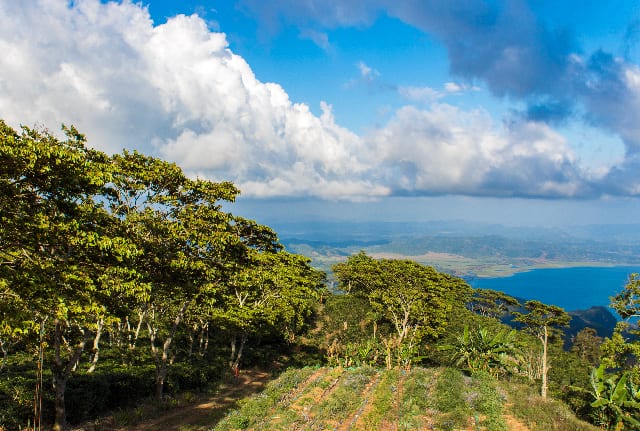
[coffee planting] how should coffee producers deal with unexpected weather conditions?
Professional coffee knowledge exchange more information about coffee beans Please follow the coffee workshop (official Wechat account cafe_style) in early July this year, coffee producing areas in Brazil were hit by frost. Coffee crops are being harvested, but weather conditions are expected to have an impact on next year's yield. When frost strikes, you can hardly protect your crops. But there are ways to deal with other unexpected days.

Introduction of Aldumara Coffee beans, the Top Coffee beans in Mexico
During the harvest, farmers harvest fresh red fruit every day, and every two days the coffee fruit is sent as a unit or sold to a washing plant for treatment. coffee fruit that has not gone through a water treatment plant is usually naturally fermented for about 12 hours, and then passed through the sun for drying and shelling. in any case, farmers always try their best to send them to the water treatment plant for treatment so that they can be washed.

Hill Ameli water washing factory specializes in customized coffee raw beans to introduce the quality of washed Sidamo coffee.
Professional barista exchange please follow the coffee workshop (Wechat official account cafe_style) Ethiopian washed Sidamo G1 Ethiopia Sidamo Chire Ameli G1 Washed flavor description: rose, citrus, elegant acidity, peach, caramel mild and clean balance, long, lively and varied fruit flavor. The flavor of ripe berry is more mild.
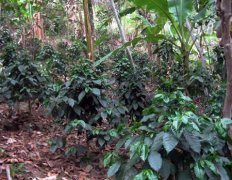
Coffee trees take 3-5 years from planting to fruiting.
Coffee trees take 3-5 years from planting to fruiting. 6-10 years of coffee trees are the most likely to bear fruit, about 15-20 years, is the harvest period. Coffee trees are usually bred in nurseries and grow into saplings, and then moved to coffee farms a year later, in full compliance with the way the Arabs planted and cultivated coffee trees. Coffee trees will continue to take root downward and upward in the first four or five years of their growth.
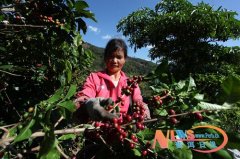
Coffee harvest farmers get rich in Nanping Town, Pu'er Simao District
My family has planted more than 30 mu of coffee, and there are probably more than 10 tons of fresh fruit this year. At present, the purchase of fresh fruit per kilogram has reached 4.3 yuan, and it is estimated that the income this year is more than 60,000 yuan. Hu Chengping, a villager of Shabahe Village, Dakaihe Village, Nanping Town, Simao District, told reporters happily. According to Hua Honglin, secretary of the party branch of Dakaihe Village, there are more than 800 people from 239 households in the village, and coffee has been grown since 1998.

Development trend of Yunnan small Coffee in the Future
Yunnan is the only coffee producing area in China, with unique climate and changeable geographical environment, growing multi-level coffee, which can be regarded as unique among the coffee producing areas in the world.

Introduction to Robusta Coffee, the planting method of Kenyan Coffee varieties
The Kenyan coffee variety was first brought to Kenya to be planted in Bourbon bourbon. In the 1950s, through unremitting efforts, the then agricultural research institution Scott Laboratory selected two excellent hybrids, SL-28 and SL-34, subverting the long-standing prejudice that artificial breeding varieties are not excellent natural varieties. SL-28 and SL-34 help Kenyan coffee

Rwanda coffee bean flavor taste aroma description what are the characteristics of Rwanda coffee beans?
Professional coffee knowledge exchange more coffee bean information please follow the coffee workshop (Wechat official account cafe_style) Rwanda (Rwanda) coffee varieties, more than 95% are Arabica Bourbon, a small number are Catuai and Kaddura (Caturra). The planting height is between 1200 and 1800 meters above sea level. The flowering period is from September to October every year
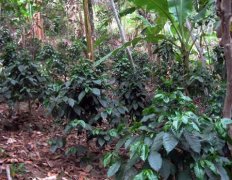
Production of coffee beans Coffee trees from planting to fruiting
Coffee trees take 3-5 years from planting to fruiting. 6-10 years of coffee trees are the most likely to bear fruit, about 15-20 years, is the harvest period. Coffee trees are usually bred in nurseries and grow into saplings, and then moved to coffee farms a year later, in full compliance with the way the Arabs planted and cultivated coffee trees. Coffee trees will continue to take root downward and upward in the first four or five years of their growth.

Ethiopia washing Yegashefi G1 washing treatment Xinlinu story behind the small farmers
Professional coffee knowledge exchange More coffee bean information Please pay attention to coffee workshop (Weixin Official Accounts cafe_style) Qianjie-Yega Xuefei washing G1 Xinlinu small farmers introduced YCFCU cooperative, introduced as follows: YCFCU small farmers, harvested coffee, transportation process is particularly difficult, first beans in coffee farmers 'own small farm after harvest, preliminary screening, and then concentrated in the village
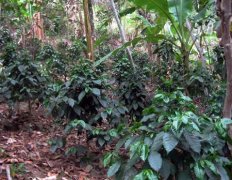
Production of coffee beans Coffee trees from planting to fruiting
Coffee trees take 3-5 years from planting to fruiting. 6-10 years of coffee trees are the most likely to bear fruit, about 15-20 years, is the harvest period. Coffee trees are usually bred in nurseries and grow into saplings, and then moved to coffee farms a year later, in full compliance with the way the Arabs planted and cultivated coffee trees. Coffee trees will continue to take root downward and upward in the first four or five years of their growth.
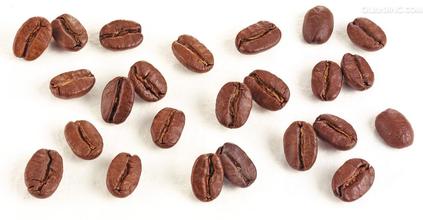
The treatment process and spread of raw coffee beans
Roasted coffee beans appeared on the market for the first time-coffee trees in 1865 (Pittsburgh, USA) usually grew to 5-10 meters tall. the older the coffee tree, the fewer branches, but more and more leaves and fruit. Coffee trees usually begin to bear fruit three to four years after planting. The number of years in which the coffee tree produces fruit, depending on the region planted and the tree species.

In the process of coffee cultivation, coffee is grown with seeds with endocarp.
In the process of coffee cultivation, some people mistakenly think that coffee is grown directly with raw beans, but it takes a long time to grow but find that it does not sprout. In fact, coffee is grown with seeds with endocarp (Parchment). The inner fruit (or sheepskin or paper parchment) refers to the tea-brown hard skin that wraps the coffee seeds, and the coffee beans attached to that layer are called Parchment Bean. Dial

Let's enjoy the coffee producing area of Colombia!
People who like to drink single beans like to drink Colombian coffee very much. Super Colombian coffee has a rich and thick aroma. It does not taste as strong as Brazilian coffee, nor does it have an obvious sour tone like African coffee. But with clear high-quality acidity, high balance, sometimes nutty, memorable, no matter in appearance, quality, Colombian super

The coffee harvest is full but my heart is worried.
According to the Yunnan Coffee Industry Association: in 2013, Yunnan coffee planting area has exceeded 1.4 million mu, the new harvest season, Yunnan coffee output is expected to be close to 100000 tons. Yunnan coffee acreage and output account for more than 98% of China's coffee; the current New York coffee futures price remains between 110 and 115 cents, compared with this price, Yunnan coffee purchase offer is not expected

Planting Environment and Flavor characteristics of Pacamara Pacamara in Don Hulian Manor of Panama
Panamanian Don Julian Manor Pacamara Pacamara planting environment and flavor characteristics are run by Panama's quite talented landowner Hea Burnesky. There are two kinds of raw beans, both of which have won numerous prizes in the best Panama competition under different names, one of which is Typica Hea, which won the bid two years ago, and the other is the Pacamara of Don Julian Manor, which is also located

Description of flavor and aroma of Ethiopian washed Sidamo G1 Hilameli coffee
Professional baristas please follow the Coffee Workshop (Wechat official account cafe_style) products: Ethiopia washed Sidamo G1 Ethiopia Sidamo Chire Ameli G1 Washed flavor description: rose, citrus, elegant acidity, peach, caramel mild and clean balance, long, lively and varied fruit flavor. Ripe berries have more flavor.
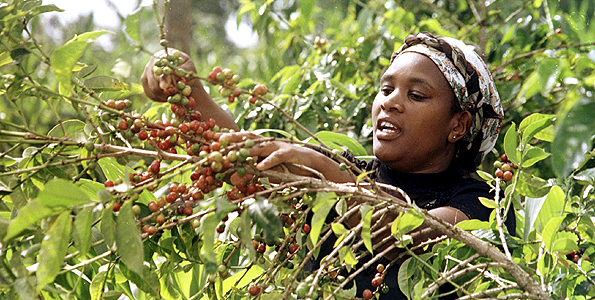
African Coffee Manor Musiui treatment Plant in the western province of Rwanda washing and treating bourbon boutique black coffee
Like many African countries, Rwandan coffee is mainly produced by small farmers, and the ripe cherry fruits are collected and sent to the processing station every year during the harvest period. During the annual harvest period, the ripe coffee berries picked by farmers are concentrated in the treatment station for treatment, first selected by hand to ensure that no immature or damaged fruit is mixed in. Then remove the peel in a cool, cold ring